• Skip to primary navigation
  • Skip to main content
  • Texas A&M Forest Service
  • Texas A&M Veterinary Medical Diagnostics Laboratory
  • Texas A&M AgriLife Extension Service
  • Texas A&M AgriLife Research
  • Texas A&M College of Agrculture and Life Sciences
Working on Wellness Environments
Working on Wellness Environments (WOW-E) is a Texas A&M AgriLife Extension multidisciplinary community development program
  • Menu
  • Home
  • About
    • What is WOW-E
    • Meet the Team
    • Our PSE Approach
    • The HOP Program
    • HOP Counties
  • Stories
    • Blog
    • Videos
  • Resources
  • Technical Assistance
    • WOW-E Technical Assistance Process
    • WOW-E FY 2027 Technical Assistance Cycle
  • Become a WOW-E Community

Empowering Youth Voices and Communities through Change: Highlights from the WOW-E 2026 Summit 

September 22, 2026 by kelsey.coats

Over two days, 22 participants representing Texas A&M AgriLife Extension, PVAMU Extension, the Boys & Girls Club of Deep East Texas, 4-H, local government, and the Master Wellness Volunteer program gathered for the Engaging Youth in Designing Healthier Communities Summit to explore evidence-based strategies for building healthier communities through youth engagement, empowerment, and leadership. Through presentations, interactive activities, and group discussions, summit participants examined best practices, case studies, and practical tools that can be applied in their own settings to support youth-led healthier community projects.

Summit participants collaborate on their park design during the Maker Space activity.
During the Day 1 icebreaker, participants each shared one word that best describes their community.
Summit participants line up along the Community Engagement Spectrum, then discuss their reasons for choosing each spot.
A team presents their community center design crafted in the Maker Space session.
Participants display their finished Maker Space creation.
Summit participants collaborate on their park design during the Maker Space activity.
This team’s Maker Space project features a concession stand focused on healthier food options.

Building a Foundation for Meaningful Youth Engagement 

A central focus of the summit was understanding youth voice and what meaningful youth engagement and empowerment looks like. 

Participants explored Hart’s Ladder of Participation (seen below), which illustrates different levels of youth involvement, ranging from tokenism to shared decision-making and youth-led action. Summit participants reflected on how youth are currently engaged in their communities and identified opportunities for where they could move up the ladder where youth take on more leadership.

Hart's Ladder of Participation showing eight levels of youth participation from tokenism to youth-led decision-making.
Figure 1: Hart’s Ladder of Participation illustrates increasing levels of youth involvement and leadership in decision-making processes, from tokenism to youth-initiated action and shared decision-making with adults. Note. Reproduced from How to engage active participation of minority young people? Hart’s ladder of participation, by European Minority Youth Inclusion, 2016. 

The summit also introduced the Spectrum of Engagement. This framework demonstrates how engagement can progress from informing and consulting community members to involving, collaborating with, and empowering them. Through discussion and reflection, participants considered how organizations can intentionally create opportunities that support deeper youth participation and leadership.

Community Engagement Spectrum with five levels of participation arranged from left to right: Inform, Consult, Involve, Collaborate, and Empower. The spectrum illustrates increasing levels of community participation and shared decision-making, moving from one-way communication toward community leadership and empowerment.
Figure 2. Community Engagement Spectrum. The framework illustrates increasing levels of community participation, beginning with informing and consulting community members and progressing toward involvement, collaboration, and empowerment. Note. Reproduced from the Johns Hopkins Center for Health Security’s community engagement spectrum, adapted from the International Association for Public Participation’s Spectrum of Public Participation.

Together, these frameworks reinforced an important concept: youth are more than program participants. When young people are engaged as partners, advisors, and leaders, communities benefit from their perspectives, creativity, and lived experiences. While these frameworks can guide how we engage youth, they can also empower youth to engage community members, build partnerships, and foster shared ownership of healthier community initiatives. The communities and spaces youth seek to improve belong to everyone.

Understanding How Communities Shape Healthy Choices 

The summit also explored how community environments influence opportunities to make healthier choices. 

Participants were introduced or reintroduced to the Policy, Systems, and Environmental Change (PSE) Framework, an approach that focuses on modifying the environment to make healthier choices practical and available to all community members. Rather than relying solely on individual behavior change, PSE strategies address the broader policies, systems, and environments that make healthier choices easier to make. 

Turning Youth Engagement into Community Action 

Building on the concepts of meaningful engagement and environmental change, participants explored how youth can move from being consulted to becoming active leaders in community projects. 

A key focus of the summit was learning tools that youth (and communities) can use to assess and improve their local food and physical activity environments. Participants explored tools designed to inventory and assess their environments as well as pilot test potential strategies to improve their environments. 

Participants explored various tools that can be utilized to inventory, assess, or improve their food or physical activity environments.
Participants explored Zines as a tool to engage youth.
Participants working on their Zines.
Participants conducted walking audits and then learned more about them during the tools session.
Participants conducted walking audits to assess walkability.
The Activating Environments station featured a StoryWalk and chess.
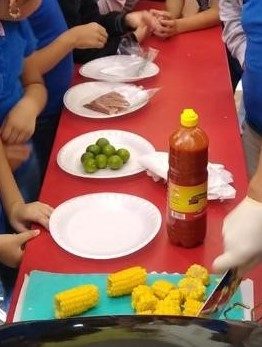
Healthier concessions efforts add healthier options to the concession stand.
Healthier food policies don’t take away less healthy food; they ensure there is a healthier option for people who want one.
After exploring the tools, participants assessed how easy they would be to use with youth and how impactful they would be with youth in their community.

While exploring these tools, summit participants considered how youth could use tools to: 

  • Identify community assets 
  • Recognize barriers that limit opportunities for healthier communities 
  • Engage community stakeholders in meaningful conversations 
  • Develop recommendations for improving local environments 
  • Support community-driven solutions that promote long-term change 

Together, these tools reinforced a central theme of the summit: when youth are empowered and given meaningful opportunities to lead, they can play a powerful role in shaping healthier communities. 

Looking Ahead 

As summit participants return to their communities, they have practical strategies for elevating youth voices and supporting youth-led efforts that create positive and lasting change. 

Because they completed the 2026 Summit, participants are eligible to apply for WOW-E technical assistance to support a group of youth in using one of the tools they learned at the Summit to support a youth – led healthier community initiative or project. We look forward to seeing youth lead initiatives that support healthier food and physical activity environments. 

References

European Minority Youth Inclusion. (2016, February 5). How to engage active participation of minority young people? Hart’s ladder of participation. WordPress. View source  

Hart, R. A. (1992). Children’s participation: From tokenism to citizenship. UNICEF International Child Development Centre. 

International Association for Public Participation. (2018). IAP2 spectrum of public participation. IAP2. 

Johns Hopkins Center for Health Security. (2023). TRUST checklist priority 2: Develop meaningful & lasting relationships with your community. Johns Hopkins Bloomberg School of Public Health. 

Author’s Note: Artificial intelligence (AI) tools were used to support drafting and editing. The author reviewed all content for accuracy and is responsible for the final text. 
Filed Under: Blog Tagged With: PSE, Summit, Youth

Want to improve your workplace food environment?  Try a healthy food policy! 

December 4, 2024 by kcoats

By: Dr. Jenna Anding

Depending on your job, the workplace may be an oasis of unhealthy foods.  Whether it is the vending machine, potluck lunches, a celebration, or the random candy bowl sitting on someone’s desk, the workplace food environment can sometimes be a barrier for those who are trying to eat a little healthier.    

As the Working on Wellness Environment (WOW-E) program works to help communities improve access to healthy foods (and opportunities for physical activity), I’m going to challenge you in this blog to focus on one part of the community, the workplace, since many of us spend one-third of our day (or more) there and probably eat at least one meal (and maybe a snack or two) each day of the workweek. 

We recognize that not everyone is concerned about their food and beverage choices during the workday and that is okay.  However, a number of the chronic diseases that we face today are linked to our food choices.  For those employees who are trying to eat a little healthier, have you thought about implementing one or more food policies to ensure that healthy foods are available?  Don’t worry – we aren’t suggesting that you take away all of the unhealthy foods; instead, we are suggesting using policy to ensure that the food environment in your workplace has some healthy options available so individuals can meet their personal nutrition goals. 

Here are some examples of a healthy food policy for workplaces: 

  • For catered meals, adopt a policy that requires at least one healthy beverage option.  The easiest way to implement this is to offer water or unsweetened tea.  You can always offer sugar and non-nutritive sweeteners on the side and let employees choose. 
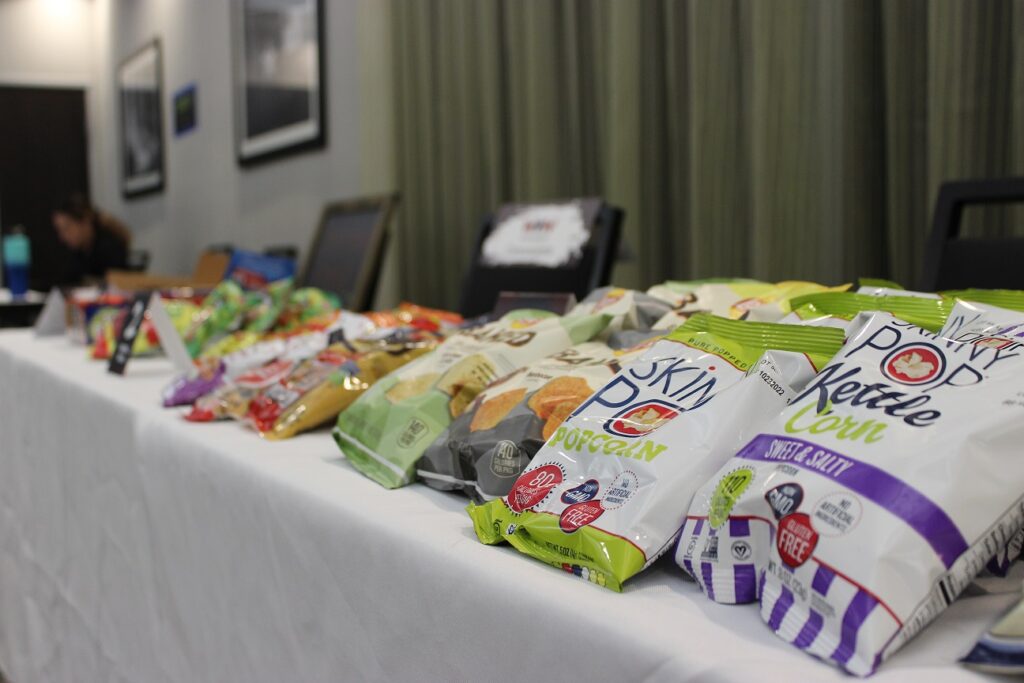
  • Consider adopting a policy that requires at least one or more healthy options in your vending machines.  Suggestions can include unsalted nuts, popcorn, and baked chips.  If you have an office refrigerator and provide complimentary snacks, think about low-fat yogurt or cheese sticks, or fresh fruit.  Apples and clementine oranges have a long shelf-life so you can minimize food waste.   
  • For office celebrations that involve food, whether it is catered to or potluck, create a food policy that guarantees that there will be at least one healthy option available.  This can be as easy as a fresh fruit salad, a healthy vegetable side dish, or even a tossed salad with dressing on the side.  Having some desserts?  No problem, just cut them in smaller portions. 

Offering options for healthy foods in the workplace shows that you support your coworkers and employees who are trying to adopt a healthier lifestyle.  If you aren’t convinced that a healthy food policy is worth trying, let me leave you with this to chew on:  a healthier workforce can lead to lower healthcare costs and increased productivity.  That is definitely something we can all support! 

Filed Under: Blog, PSE Tagged With: PSE

Good Nutrition Starts Early

February 16, 2023 by Kailey

Young children need fruits and vegetables daily to support healthy growth and brain development. A new study found that in the week prior, many Texas children did not eat a fruit or a vegetable daily and regularly drank sugary drinks.  Learn what parents and caregivers can do.   https://www.cdc.gov/nccdphp/dnpao/features/nutrition-month/index.html

Filed Under: Blog Tagged With: Early Childhood, Nutrition, PSE, wowe

Farm to School

February 15, 2023 by Kailey

by Victorino Cantu, M. Garcia & A. Garza

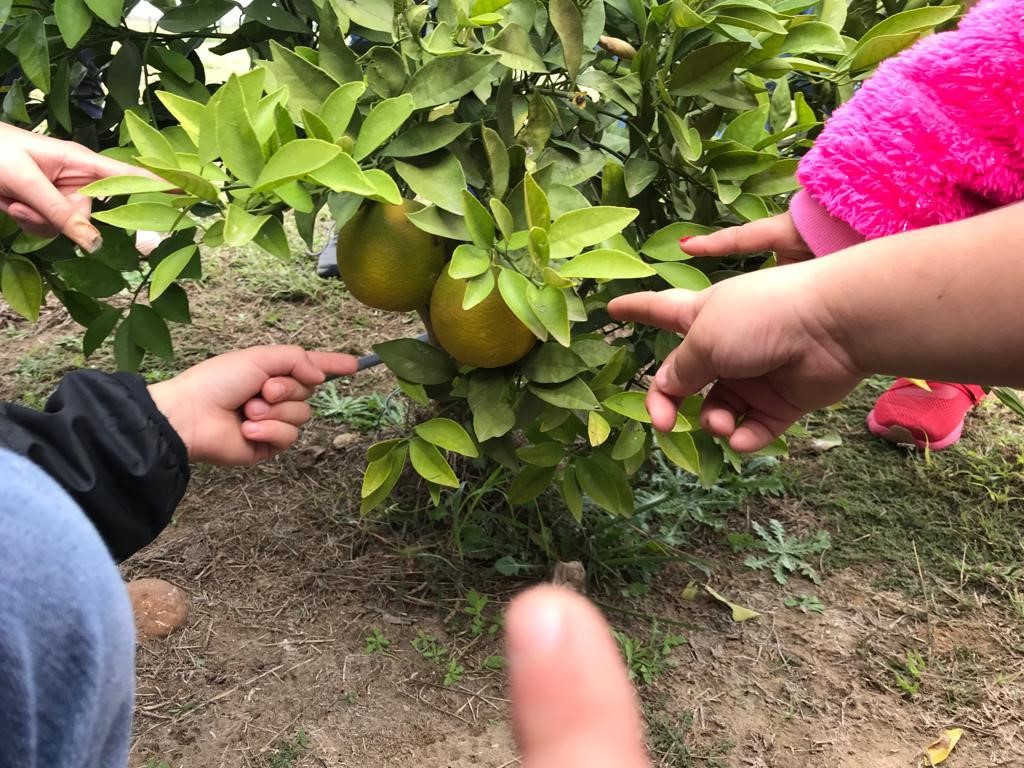
Students pointing to the citrus they grew

The Farm to School Program Mission

The goal of the farm to school program is to bring local foods to the school cafeteria and agricultural education to K-12 students, encouraging children to make healthy food choices and inspiring sustainable connections to local food, while helping to boost the local economy.

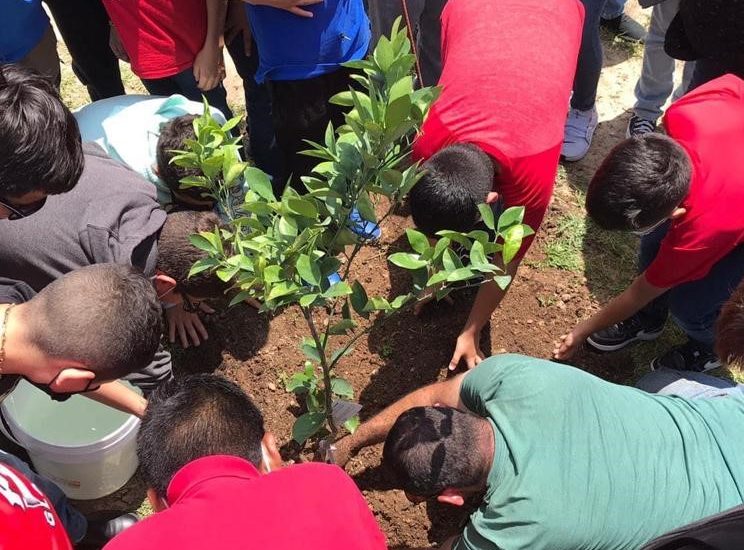
Students planting a tree in their orchard

The Plan to Implement Farm to School Efforts in Starr County

Our planned intervention included the planting of a fruit orchard that is a continuation and enhancement of the existing school garden. This intervention was introduced while searching for options to replace missing local farms.

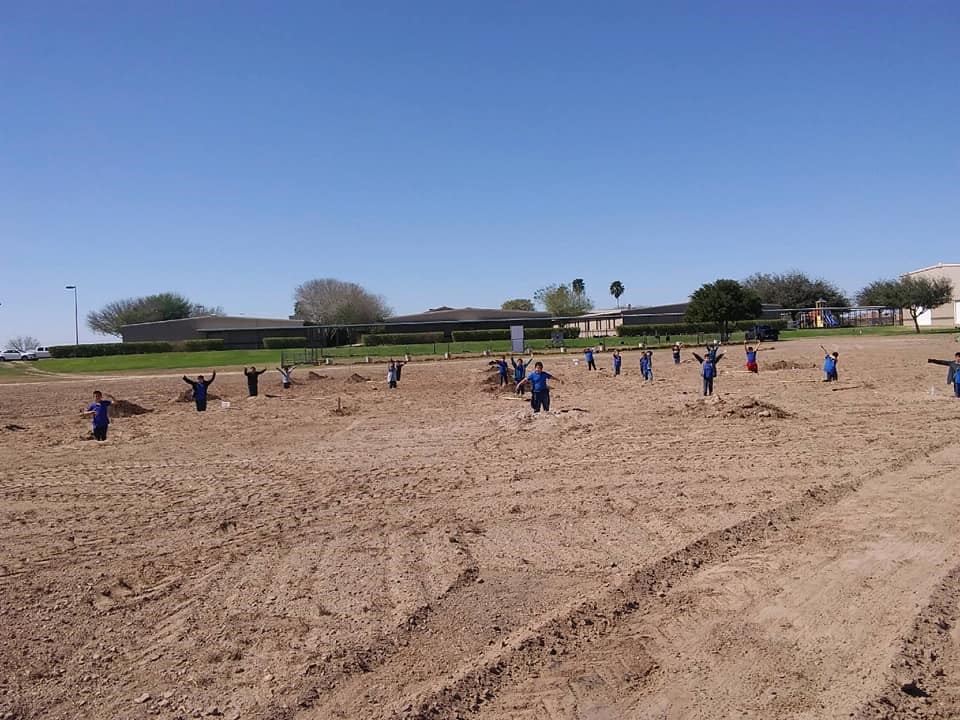
Students standing in the orchard holes for the trees to be planted in

Who Makes These Efforts Possible?

 The Farm to School efforts would not be possible without R.T. Barrera Elementary and its administration. The school has incorporated Farm to school efforts into their Physical Education curriculum. They have also recently started an Ag Club that helps monitor the orchard and ensure that the trees are doing well health-wise.

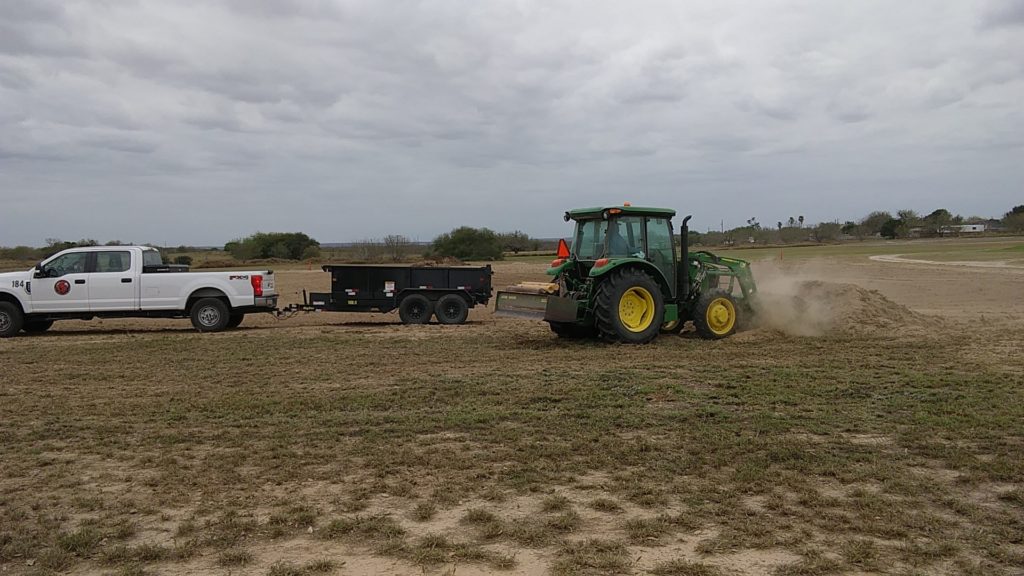
Plowing and digging the site of the orchard

Other Experiences the Students get from Farm to School

As a direct result, students also get to learn the practice of farming and preparing their own healthy meals/snacks.

Students learning healthy food preparation

The Rewards of the Farm to School Program

This intervention provides much needed access to healthy produce that is integral for the long-term health of the community and the students. Planting an orchard demonstrates a commitment to community nutrition for the next 20 years and beyond. This proposal provides an ongoing supply of fresh, seasonal fruit at a location and institution that is accessible to much of the local community.

Pictures provided by R.T. Barrera Elementary Principal, Mrs. M. Garcia and Physical Education Coach, Mr. A. Garza. (01/19/2023)

Filed Under: Starr County, WOW-E Photo Walks Tagged With: Agrilife Extension, Farm to School, Photo Walk, PSE, Starr County

Moverte es Importante para tu Salud

February 13, 2023 by Kailey

Cuidar de ti misma es una de las cosas más importantes que puedes hacer para ti y tu familia. Una forma de cuidar de ti misma es haciendo actividad física regular. Hacer más actividad física puede ayudarte a dormir mejor, reducir el estrés y reducir tu riesgo de enfermedades del corazón, ataque cerebral, algunos cánceres y diabetes tipo 2.

Nos estamos uniendo a otras organizaciones locales y nacionales para apoyar a la campaña Moving Matters, parte de la iniciativa Gente Activa, Nación Sana™ (Active People, Healthy Nation™), para ayudar a promover los beneficios de la actividad física, motivar a las personas a encontrar pequeñas formas de incluir movimiento en su día y recodarle a las personas que la actividad física puede ser divertida.

Visita https://www.cdc.gov/movernos para aprender más sobre la campaña y explorer maneras para moverte.

Filed Under: Blog Tagged With: Active People Healthy Nation, Moving Matters, PSE, wowe

  • Page 1
  • Page 2
  • Page 3
  • Go to Next Page »
Texas A&M AgriLife Extension Service
Texas A&M University System Member
  • Compact with Texans
  • Privacy and Security
  • Accessibility Policy
  • State Link Policy
  • Statewide Search
  • Veterans Benefits
  • Military Families
  • Risk, Fraud & Misconduct Hotline
  • Texas Homeland Security
  • Texas Veteran's Portal
  • Equal Opportunity
  • Open Records/Public Information