By: Kelsey Coats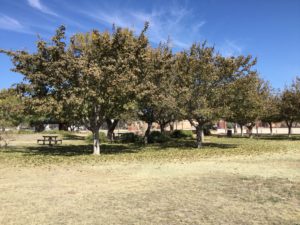
The Sierra Blanca Community Coalition has begun planning for their Community PSE Start Up Projects. Last week the coalition invited the WoW-E team to do a Walkability and Park Workshop and to do site visits for their nutrition projects.
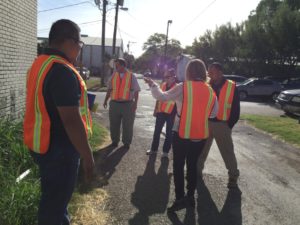
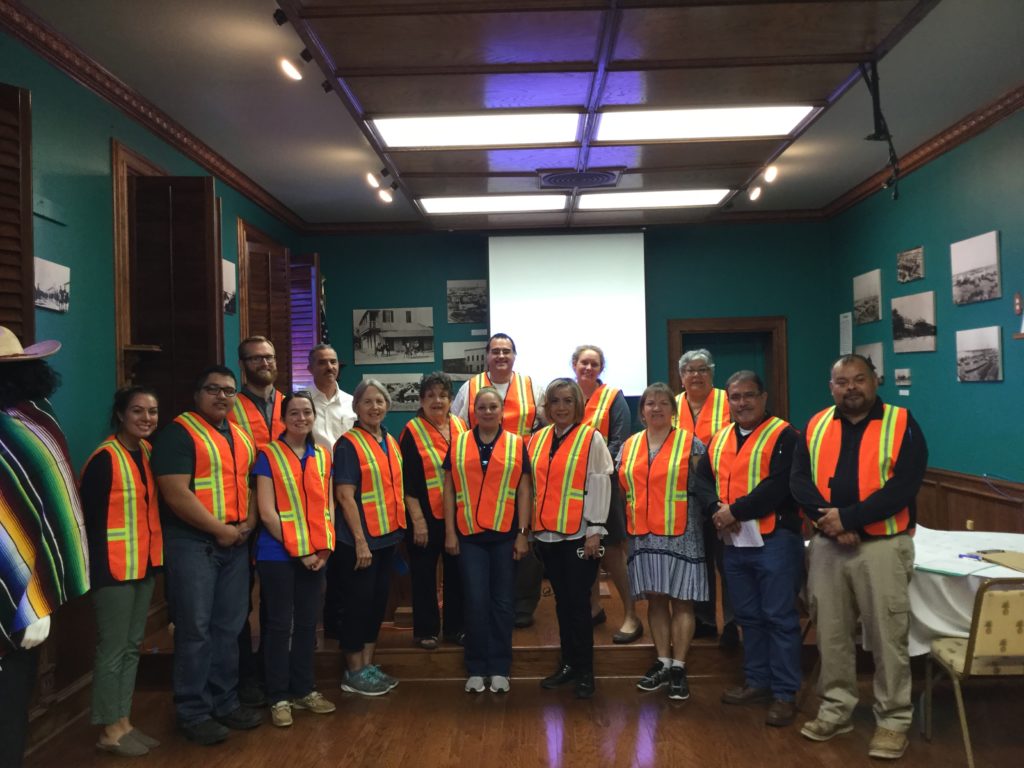
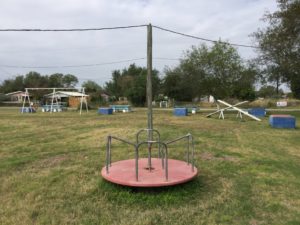
On Monday, November 4, the Sierra Blanca Community Coalition hosted the Walkability and Park Workshop at Hudspeth County Agrilife Extension. Representatives from Hudspeth County, Ranch on the Rock, and Hudspeth County Agrilife Extension and key coalition members were in attendance. The WoW-E team facilitated the workshop and went on the walking audit conducted by coalition members. The walking audit covered Sierra Blanca Public Park and examined the area immediately surrounding the park. After the walking audit the coalition discussed what could be improved to make the area more walkable. They identified areas where crosswalks would be beneficial. The coalition would like to improve walkability to the park as well as other everyday destinations. The coalition also discussed creating and naming walking routes in and around the park.
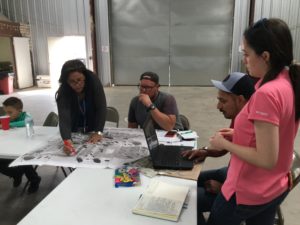
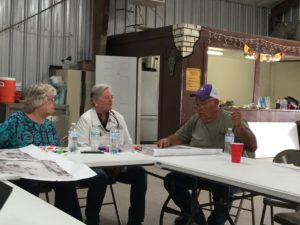
The coalition’s next steps are to engage the community about walkability. The coalition plans to pilot test proposed crosswalks with pop ups in late winter early spring. In the meantime, the coalition plans to activate the park to engage community members to find out when and where people walk and what would get them walking more.
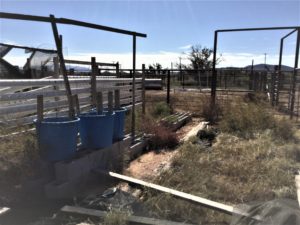
On Tuesday, November 5, coalition members gave the WoW-E team of two sites where they are building greenhouses. The first site use to have a fully functioning greenhouse that utilized aquaponics for growing fresh produce. The greenhouse has been unusable for the past year and a half due to damage by feral hogs. The WoW-E project inspired community members to start rebuilding the greenhouse. The second site visited is another area community members are going to build a greenhouse. Upon completion of the greenhouses, the coalition has requested business planning for a farmer’s market. The coalition has connections with local convenience stores who would like to sell more fresh produce. The coalition and convenience are discussing working with the WoW-E team on healthy food displays.
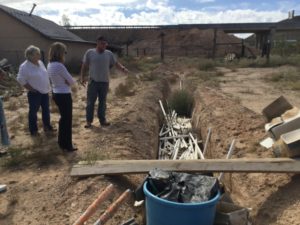
The WoW-E team enjoyed learning more about Sierra Blanca’s park and hearing community members ideas to make it more walkable as well as the coalition’s ideas for where and how to sell the produce grown at the greenhouses. The team looks forward to watching these projects continue to grow.

 The Centers for Disease Control and Prevention’s High Obesity Program (HOP) is aiding AgriLife Extension’s Working on Wellness Environments program, which aims to increase access to healthy foods such as fruits and vegetables and safe walking environments and places.
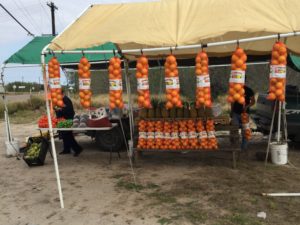 There is a lack of access to healthy fruits and vegetables, in part because the only major grocery store chain in Starr County is half an hour from Roma. Roma has three major dollar store chains, so many people make their food purchases there, instead. This is a concern of the coalition, which also wants to improve existing and add new physical activity amenities for the population.
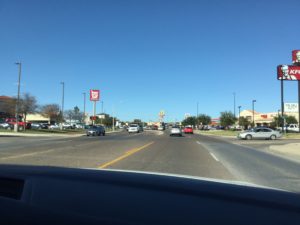 Further north along the Rio Grande, about two hours northwest of Laredo and two and a half hours southwest of San Antonio,
 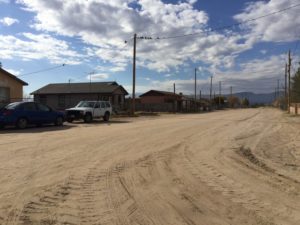 Finally, an hour and a half east of El Paso and eight hours west of San Antonio,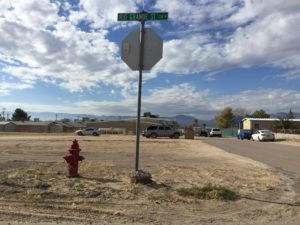


 There are three important sectors that will be used to coordinate these efforts: Communication, nutrition/food systems, and physical activity. Communication will help engage, inform, and educate coalition and community members to make healthy living easier by joining listservs and participating in webinars. Coalition members will also write and adopt organizational level healthy nutrition standards in institutions such as hospitals, after-school and recreation programs, health centers, faith-based organizations, food pantries, and early care education. (CDC Implementation Guide) In addition, coalition members will collaborate with partners and subject matter experts to improve the food system and increase access to healthier foods by attending workshops, requesting technical assistance, and acquire tool kits to work in teams and community groups to improve local food systems: distribution, procurements and sales, food hubs and outlets, purchasing collective, innovative practices. Finally, coalition members will learn best practices for organizational and community opportunities to develop active-friendly routes by improving local connectivity and active friendly routes and places through planning, policies, and environmental design. (CDC Implementation Guide)